
Seoul 3 day itinerary
A 3 day Seoul plan built from our catalogue. Each stop shows a photo, why to go, the hours it keeps and how to reach the next stop; the hours are checked against the weekday it falls on.
Day 1 · Fri 4 Dec
Gwanghwamun · Gyeongbokgung Palace · Bukchon Hanok Village · Jongmyo Shrine
Covers Gwanghwamun, Seochon, Jongno, Jongmyo area and Insa-dong. 4 sights and 2 meals. Travel between stops: 4 legs, about 61 min in all (ride times are estimates).
- 09:00–10:30Gwanghwamun광화문Gwanghwamun
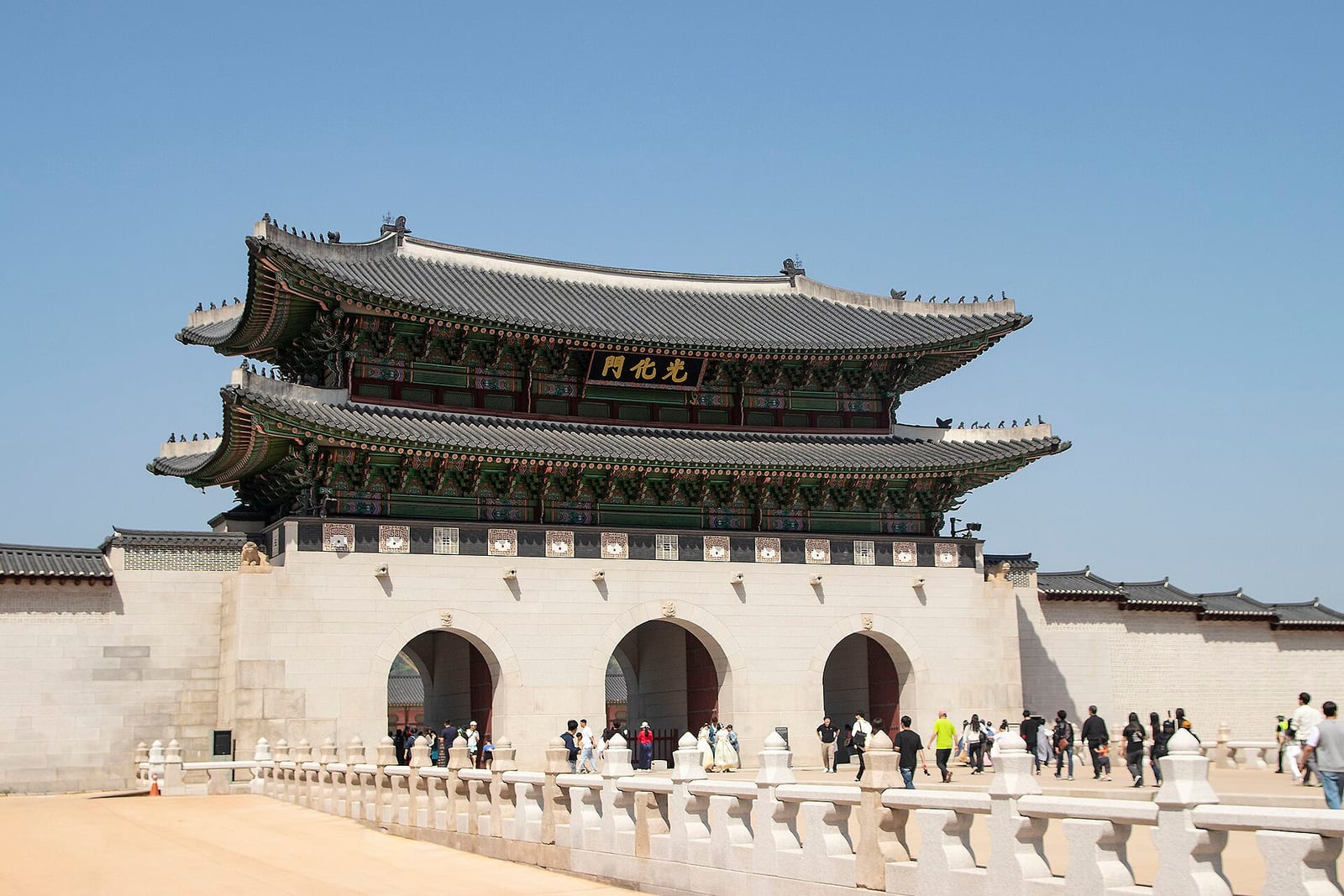
Photo: Youngjin, CC BY-SA 4.0 Gwanghwamun is the main gate of Gyeongbokgung, and in front of it the wide Yukjo-geori street stretched out as the centre of Hanyang. The official history records that Gwanghwamun, Geonchunmun and Yeongchumun were built in 1426 (the 8th year of King Sejong). Source
No hours in the catalogue
19 min walk to the next stop
- 11:30–12:30Tongin Market통인시장Seochon
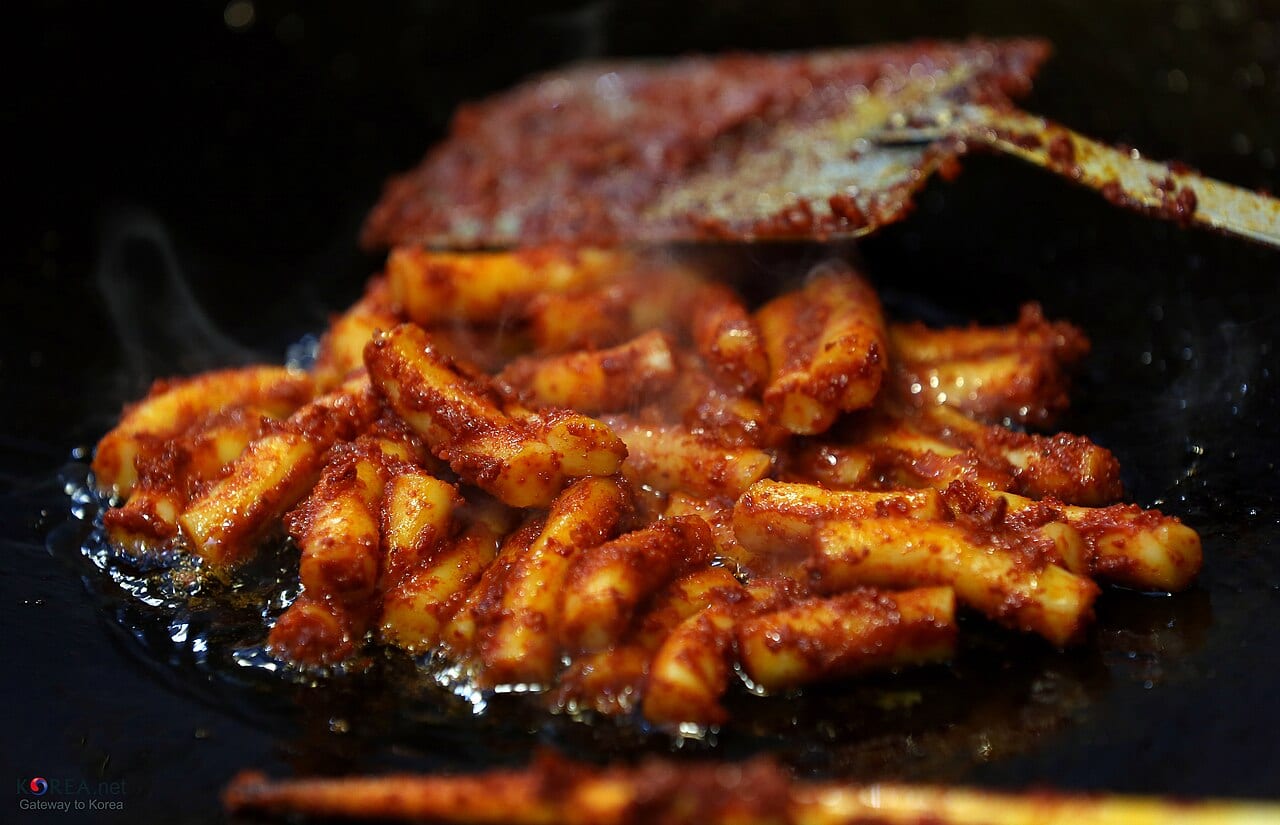
Photo: Republic of Korea, CC BY-SA 2.0 A traditional market in the Seochon residential area with a continuous run of side-dish, snack and everyday grocery stalls. Source
Catalogue hours 07:00–21:00
12 min walk to the next stop
- 12:40–14:10Gyeongbokgung Palace경복궁Jongno
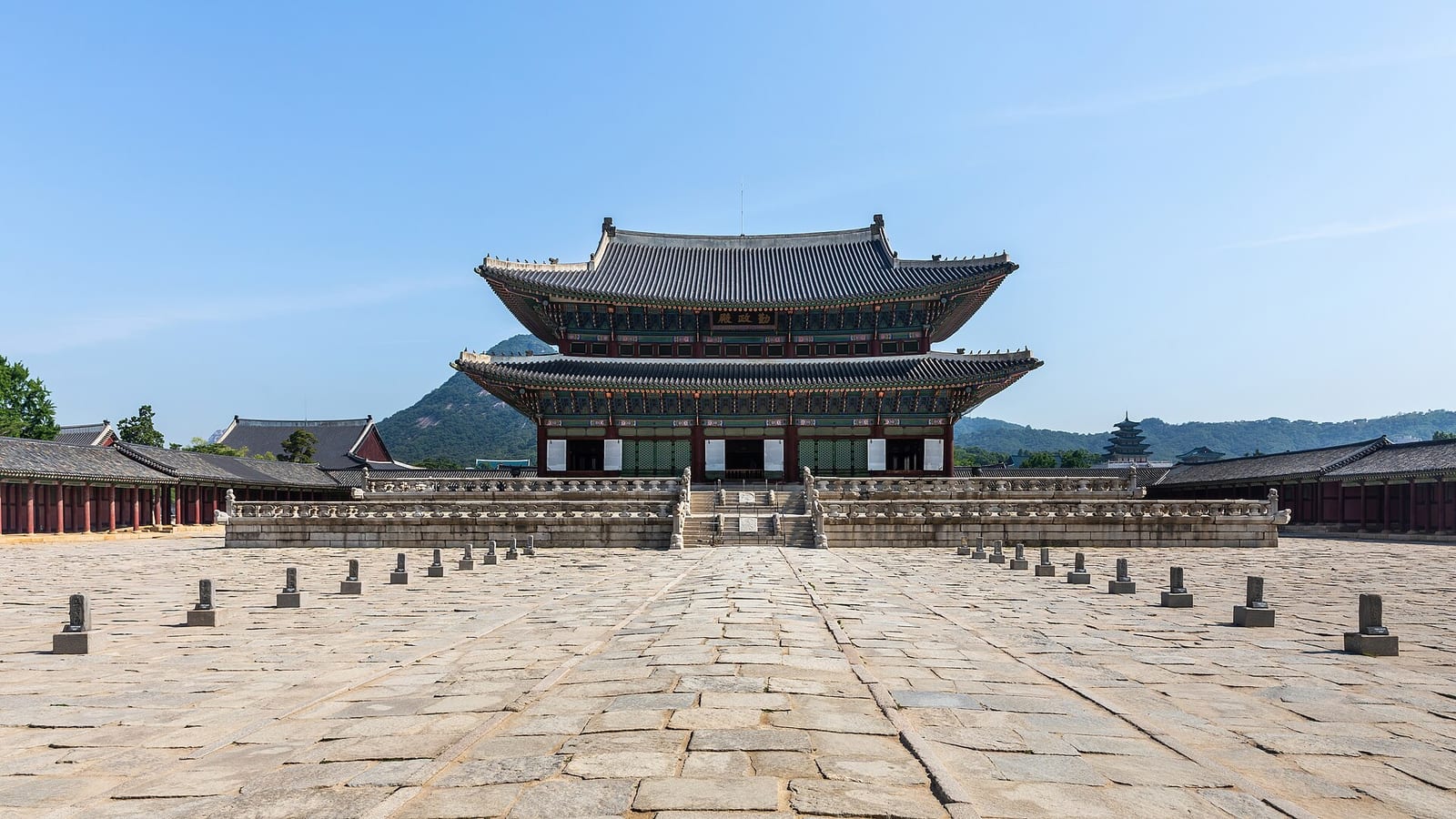
Photo: Basile Morin, CC BY-SA 4.0 Gyeongbokgung was founded in 1395 (the 4th year of King Taejo) after the founding of Joseon in 1392, as the foremost main palace of the Joseon dynasty. With Bugaksan as its guardian mountain, the wide Yukjo-geori street stretched out in front of its main gate, Gwanghwamun, as the centre of Hanyang. Source
Catalogue hours 09:00–17:00 · Closed Tue
Admission ₩3,000 · official page
- 14:20–15:50Bukchon Hanok Village북촌한옥마을Jongno
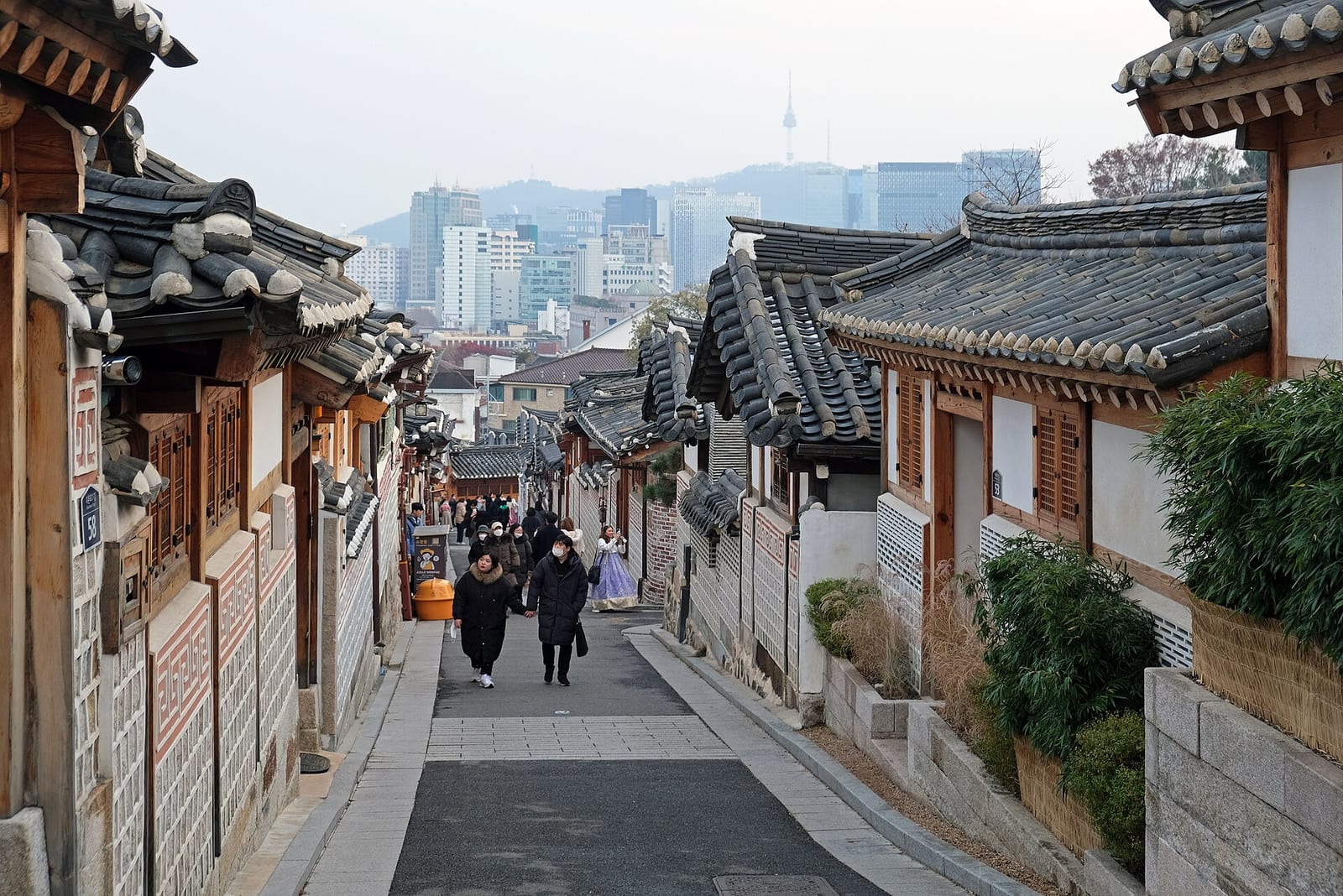
Photo: kallerna, CC BY-SA 4.0 Bukchon Hanok Village lies between Gyeongbokgung and Changdeokgung, with traditional hanok lining every lane. It is not a village made for tourism but a residential neighbourhood where Seoul citizens actually live. Source
Catalogue hours 10:00–17:00
About 19 min to the next stop: walk 10 min to Anguk, Seoul Subway Line 3 from Anguk to Jongno 3(sam)-ga (1 stop, about 2 min), walk 7 min
- 16:05–17:35Jongmyo Shrine종묘Jongmyo area
You can look at the layout of the shrine that holds the spirit tablets of Joseon kings and queens and of the ritual space, and learn the history of the Jongmyo royal ancestral rite. Source
Catalogue hours 09:00–18:00 · Last entry 17:00 · Closed Tue
Admission ₩1,000 · official page
11 min walk to the next stop
- 18:00–19:15Sanchon산촌Insa-dong
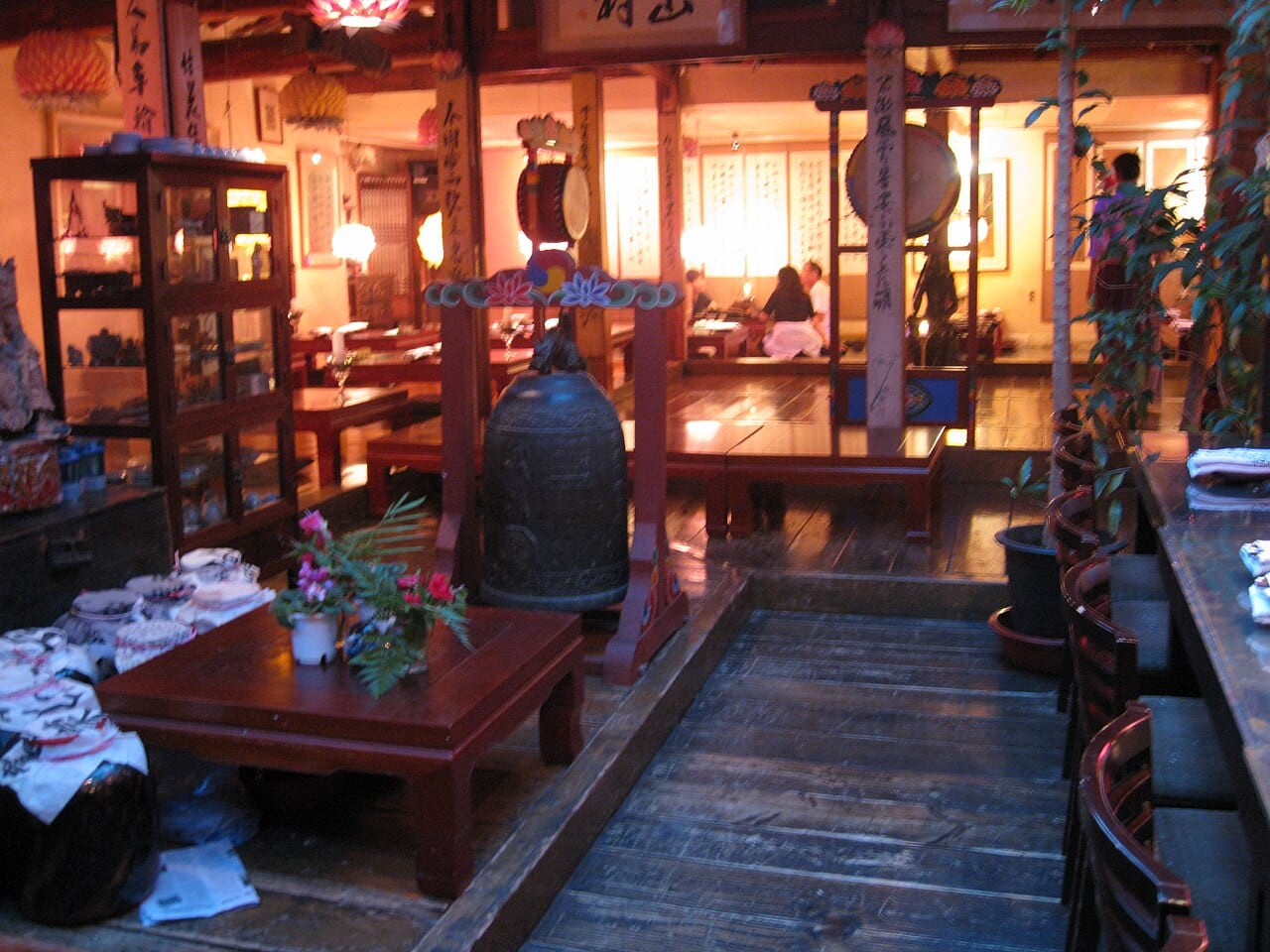
Photo: Julie, CC BY-SA 2.0 A temple-food restaurant in Insa-dong that serves meat-free meals made with mountain greens and seasonal vegetables. It is near Exit 6 of Anguk Station and is introduced as having a traditional-style interior with a raised sitting floor. Source
Catalogue hours 11:30–21:00


Day 2 · Sat 5 Dec
National Museum of Korea · Namsan Seoul Tower · Ikseon-dong Hanok Village · Dongdaemun Design Plaza & Park
Covers Yongsan, Samgakji, Namsan, Ikseon-dong, Dongdaemun and Euljiro. 4 sights and 2 meals. Travel between stops: 3 legs, about 35 min in all (ride times are estimates).
- 09:30–12:00National Museum of Korea국립중앙박물관Yongsan
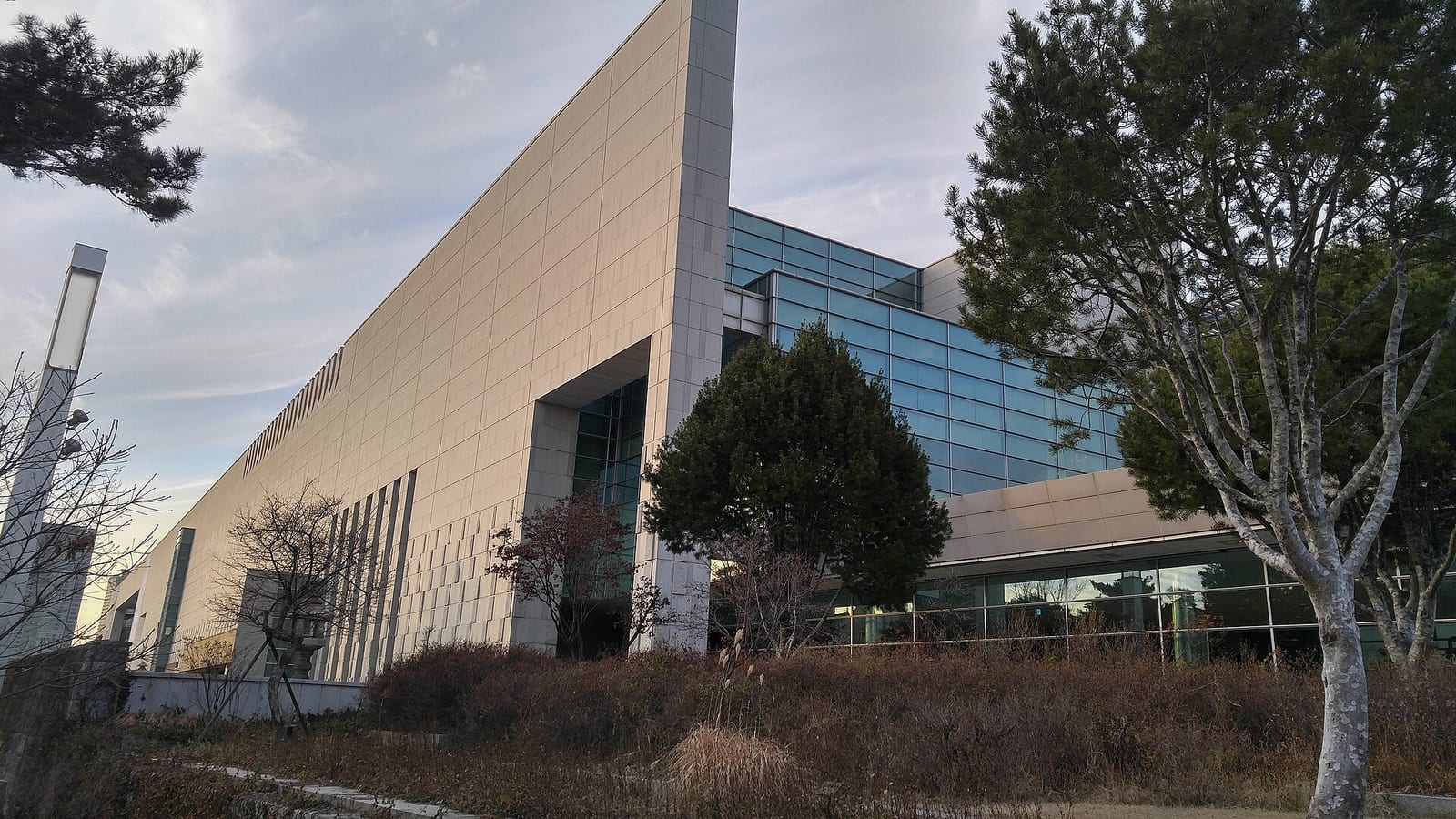
Photo: Jocelyndurrey, CC BY-SA 4.0 A national museum with more than 13,000 objects on display in six permanent exhibition halls. Source
Catalogue hours 09:30–17:30 · Other closing days apply
Free entry · official page
About 16 min to the next stop: walk 10 min to Ichon, Seoul Subway Line 4 from Ichon to Samgakji (2 stops, about 4 min), walk 2 min
- 12:15–13:15Pyeongyangjip평양집Samgakji
A long-established place in Samgakji known for brisket and lamb intestines grilled over charcoal on a rebar grate. Source
Catalogue hours 08:00–21:30 · Closed Mon
Main dishes ₩20,000–29,999 per person · official page
- 13:35–15:05Namsan Seoul TowerYTN서울타워Namsan
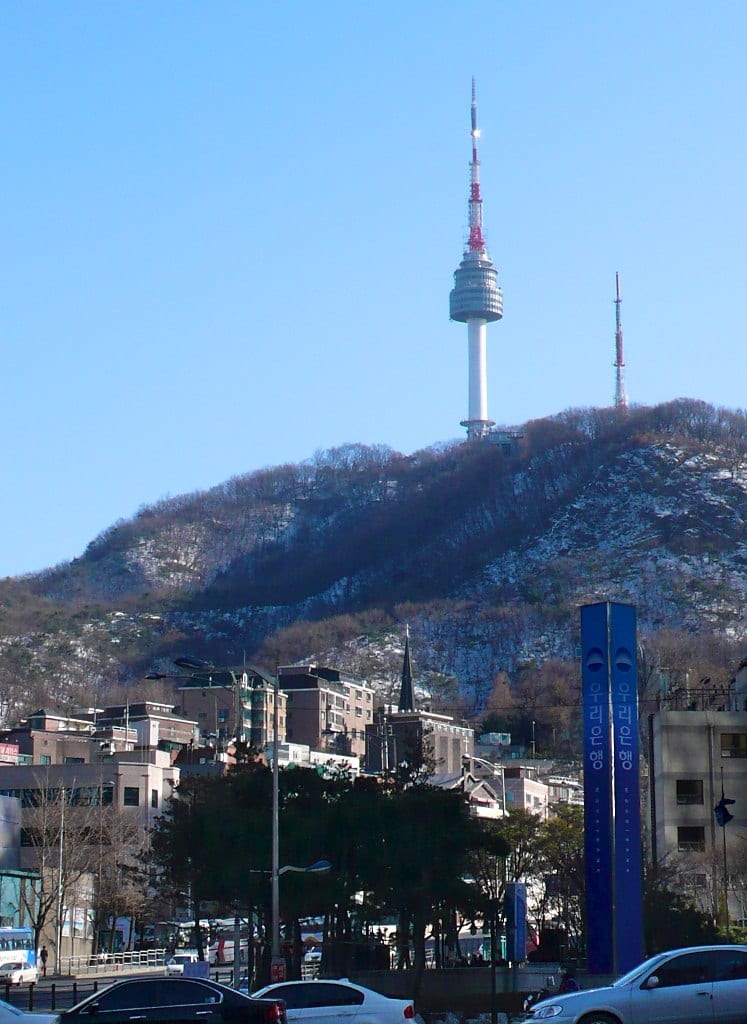
Photo: Christopher, CC BY 2.0 A tower 236.7 m tall on the summit of Namsan (262 m); the official tourism guide says you can look down on Seoul in 360 degrees from 480 m above sea level. Source
Catalogue hours 10:00–22:30
Admission ₩29,000 · official page
- 15:25–16:55Ikseon-dong Hanok Village익선동 한옥마을Ikseon-dong
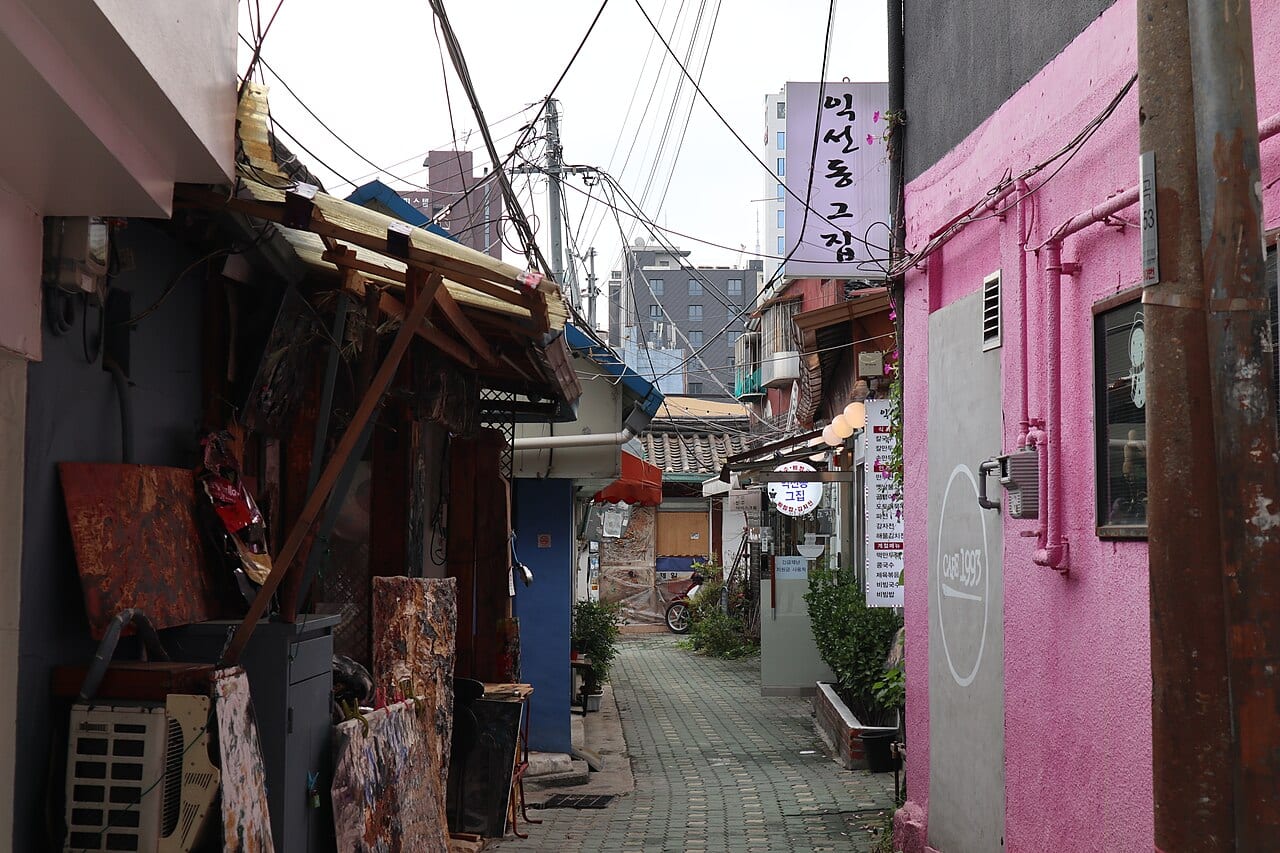
Photo: Shy numis, CC BY-SA 4.0 A pedestrian area in Jongno of hanok lanes built before the 1930s, now with cafes, restaurants and small shops. Source
No hours in the catalogue
About 11 min to the next stop: walk 4 min to Jongno 3(sam)-ga, Seoul Subway Line 5 from Jongno 3(sam)-ga to Dongdaemun History & Culture Park Station (DDP) (2 stops, about 4 min), walk 3 min
- 17:10–18:40Dongdaemun Design Plaza & Park동대문 디자인 플라자 & 파크Dongdaemun
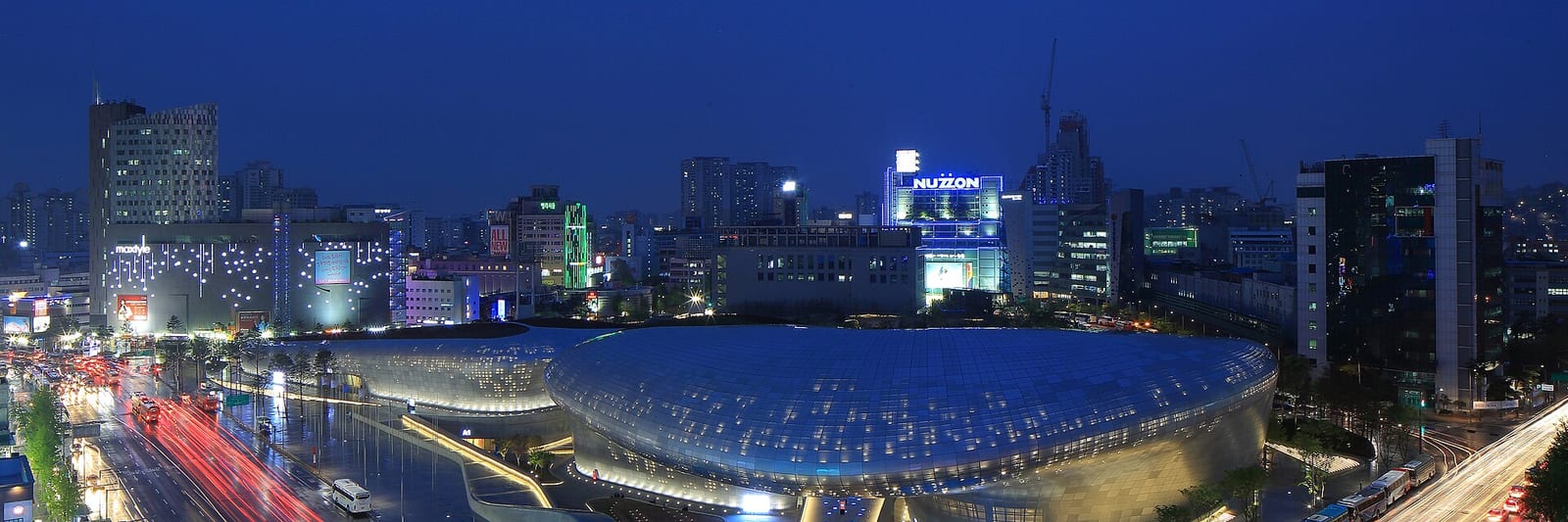
Photo: Eugene Lim, CC BY 2.0 DDP is a cultural complex connected directly to Dongdaemun History & Culture Park Station, and it opened on 21 March 2014. It is described as a Zaha Hadid building made of curves and 45,133 different exterior panels. Source
Catalogue hours 10:00–20:00 · Other closing days apply
About 8 min to the next stop: walk 3 min to Dongdaemun History & Culture Park Station (DDP), Seoul Subway Line 2 from Dongdaemun History & Culture Park Station (DDP) to Euljiro 4(sa)-ga (1 stop, about 2 min), walk 3 min
- 18:55–20:10Woo Lae Oak우래옥Euljiro
A restaurant that has served beef-broth Pyongyang naengmyeon and bulgogi for more than 60 years. Source
Catalogue hours 11:30–21:00 · Closed Mon
Main dishes ₩10,000–19,999 per person · official page


Day 3 · Sun 6 Dec
Changdeokgung · Insa-dong · Cheonggyecheon · Deoksugung
Covers Changdeokgung area, Insa-dong, Euljiro, Central Seoul (Cheonggye Plaza), Deoksugung area and Myeongdong. 4 sights and 2 meals. Travel between stops: 4 legs, about 59 min in all (ride times are estimates).
- 09:00–10:30Changdeokgung창덕궁Changdeokgung area
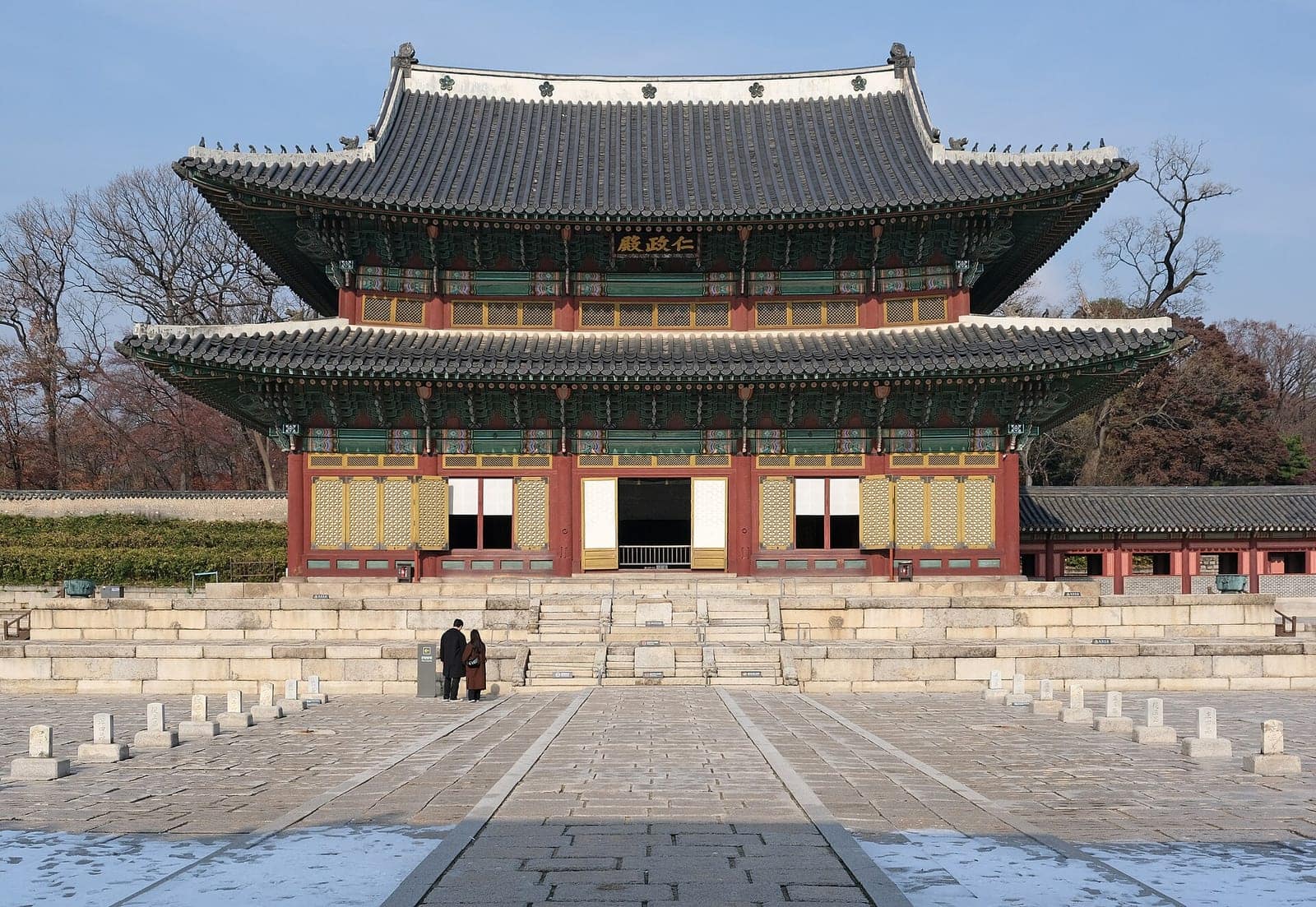
Photo: kallerna, CC BY-SA 4.0 Changdeokgung was founded in 1405 (the 5th year of King Taejong) as a secondary palace to the main palace, Gyeongbokgung. It is regarded as the most Korean palace because it was built naturally in harmony with the surrounding terrain, and it was inscribed as a UNESCO World Heritage Site in 1997. Source
Catalogue hours 09:00–17:30 · Closed Mon
Admission ₩3,000 · official page
16 min walk to the next stop
- 10:45–12:15Insa-dong인사동Insa-dong
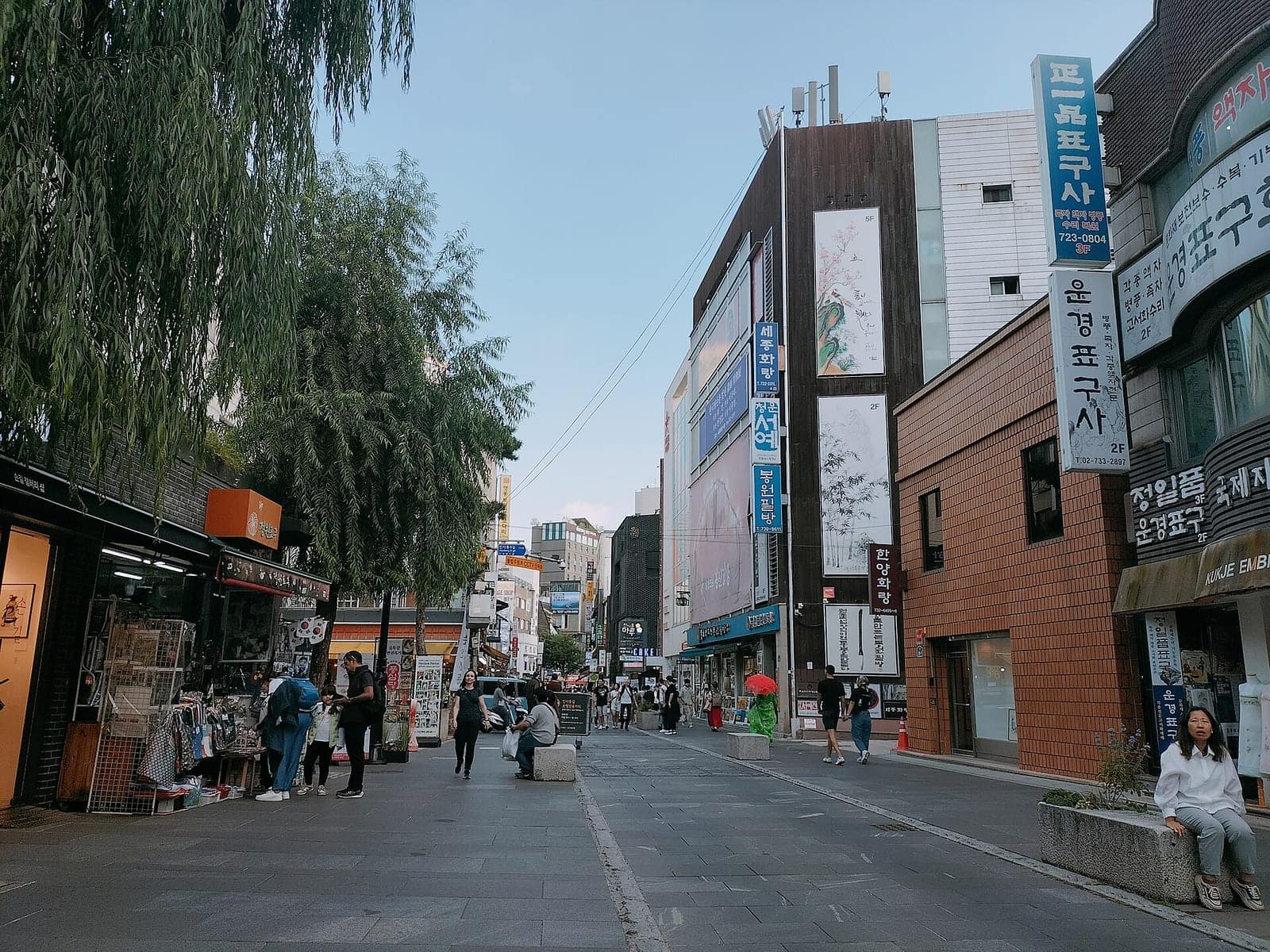
Photo: Vanbasten 23, CC BY-SA 3.0 Insa-dong became a centre of art activity after the Dohwaseo (royal painting bureau) was sited there in the early Joseon period, and settled as a traditional-culture street in the 1980s when art-supply, antique-furniture and folk-craft shops appeared. Source
No hours in the catalogue
- 12:30–13:30Andongjang안동장Euljiro
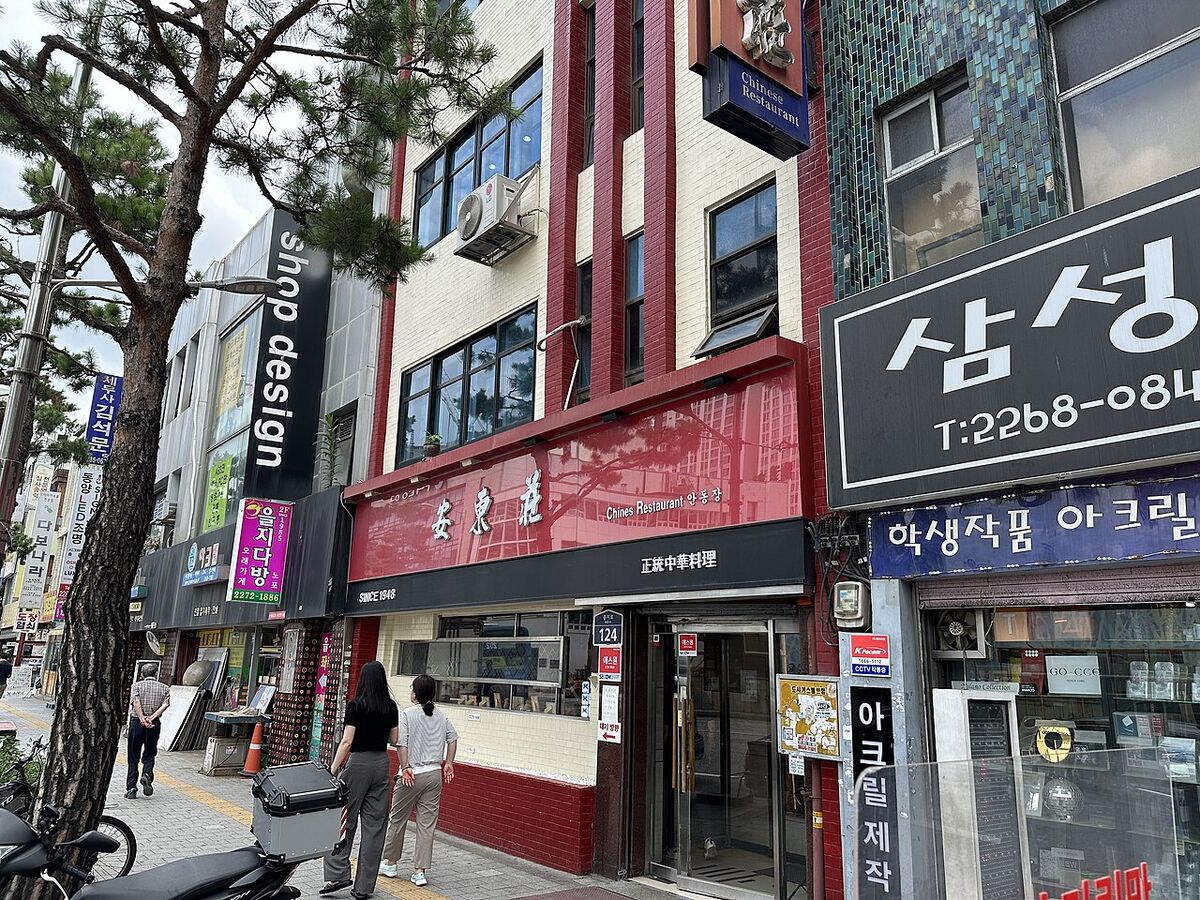
Photo: Seefooddiet, CC BY-SA 4.0 A long-established Chinese restaurant that has been going since 1948, whose signature dishes are oyster jjamppong and samseon jjamppong. Source
Catalogue hours 11:30–21:00
Main dishes ₩10,000–19,999 per person · official page
About 15 min to the next stop: walk 2 min to Euljiro 3(sam)-ga, Seoul Subway Line 3 from Euljiro 3(sam)-ga to Jongno 3(sam)-ga (1 stop, about 2 min), change at Jongno 3(sam)-ga (4 min), Seoul Subway Line 5 from Jongno 3(sam)-ga to Gwanghwamun (1 stop, about 3 min), walk 4 min
- 13:45–15:30Cheonggyecheon청계천Central Seoul (Cheonggye Plaza)
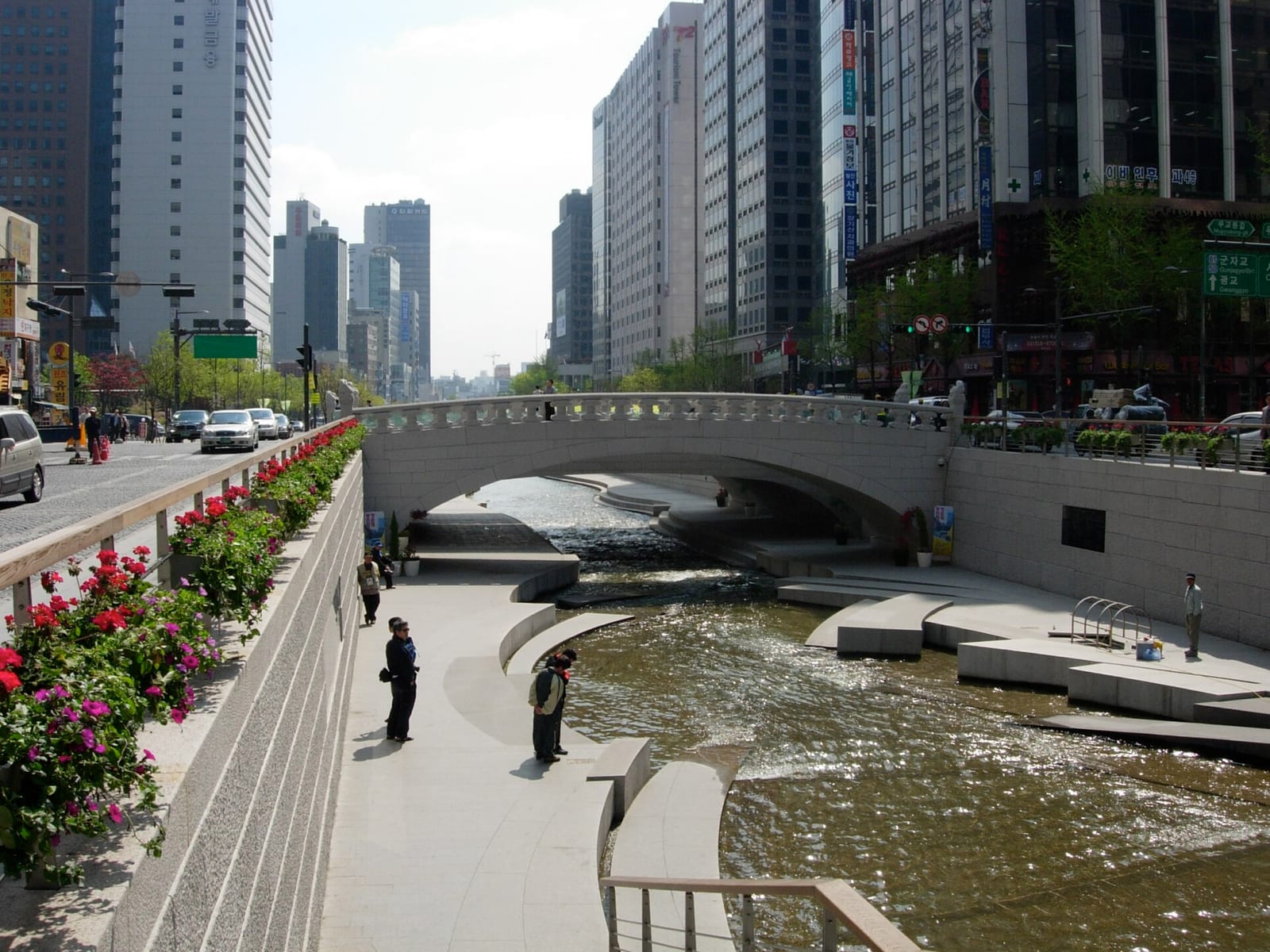
Photo: w00kie, CC BY 2.0 Cheonggyecheon is a stream of about 11 km through central Seoul, restored through an urban regeneration project from the stream that existed in the Joseon era. It starts at Cheonggye Plaza and flows under 22 bridges to the Han River. Source
Open 24 hours
Free entry · official page
10 min walk to the next stop
- 15:35–17:05Deoksugung덕수궁Deoksugung area
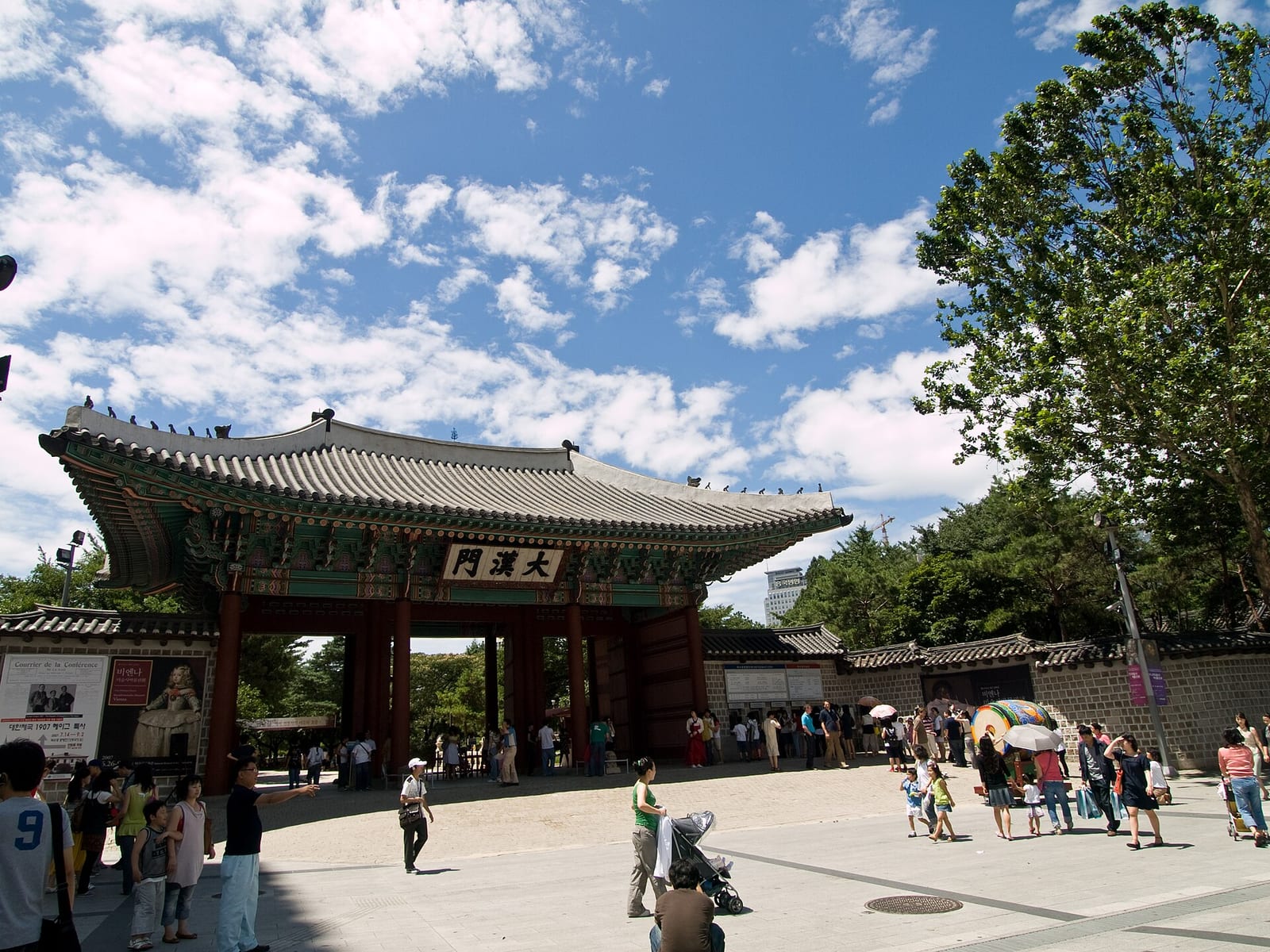
Photo: ddol-mang, CC BY-SA 2.0 Deoksugung was the imperial palace of the Korean Empire, proclaimed in 1897, and was formerly called Gyeongungung. As it was enlarged to suit an imperial palace, Western-style buildings began to be built inside it, so traditional and Western-style buildings stand together. Source
Catalogue hours 09:00–20:00 · Closed Mon
Admission ₩1,000 · official page
18 min walk to the next stop
- 18:00–19:15Myeongdong Kyoja명동교자Myeongdong
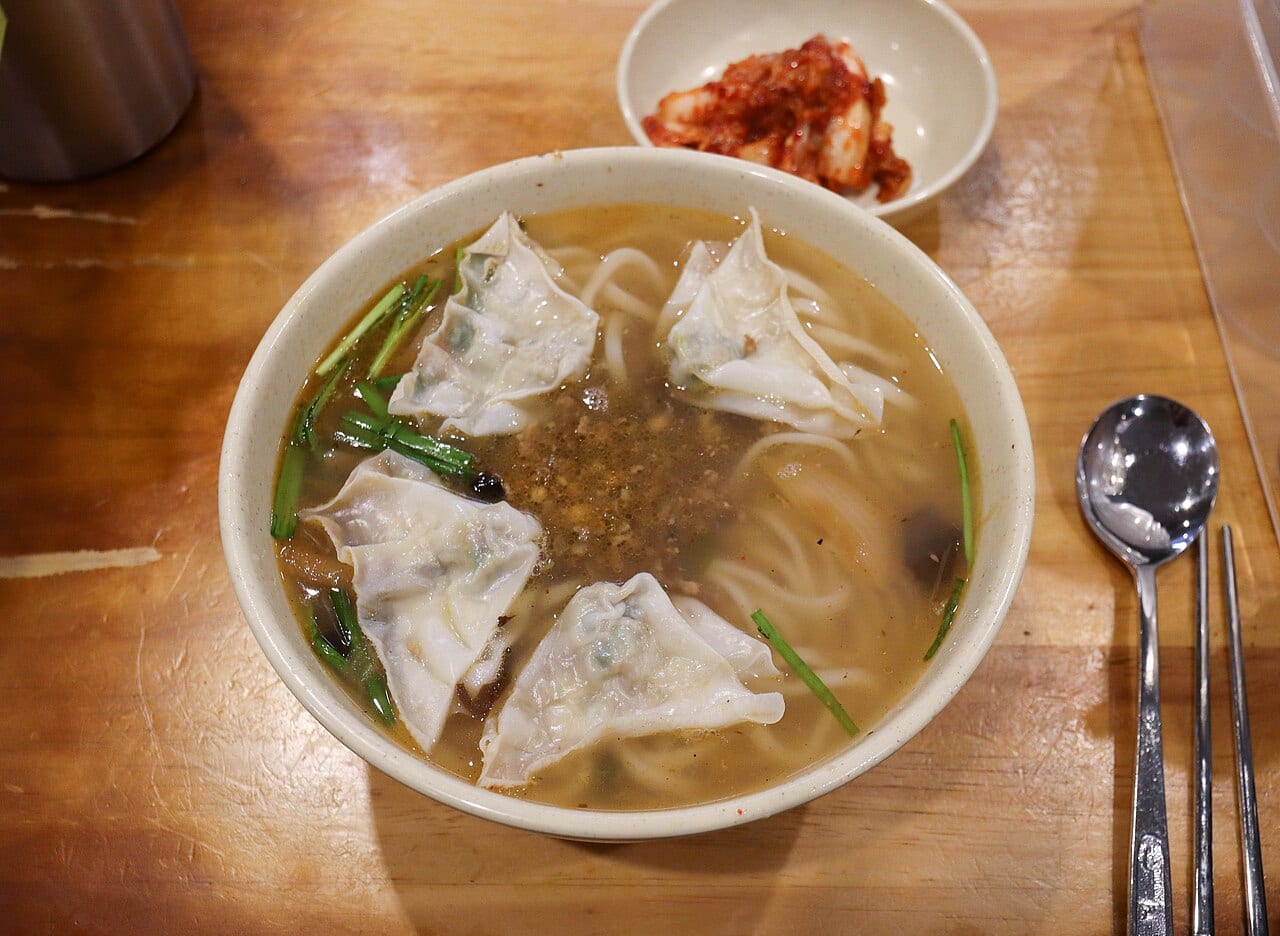
Photo: Mobius6, CC BY-SA 4.0 A kalguksu specialist that opened in 1966, with its main shop on Myeongdong 10-gil near Exit 8 of Myeongdong Station. The official Seoul tourism guide presents kalguksu made with chicken broth as its signature dish. Source
Catalogue hours 10:30–21:00
Main dishes ₩10,000–19,999 per person · official page


Weekly closing days
The plan runs Friday to Sunday. If you shift it to another weekday, check these first: Day 1: Gyeongbokgung Palace (Tue), Jongmyo Shrine (Tue); Day 2: Pyeongyangjip (Mon), Woo Lae Oak (Mon); Day 3: Changdeokgung (Mon), Deoksugung (Mon).
Getting around
Tap in and out with a Suica or Pasmo IC card on the trains and metros below (the catalogue lists no fares, so none are quoted here). Walking times follow streets; ride times are estimates. Lines this plan rides: Seoul Subway Line 3, Seoul Subway Line 4, Seoul Subway Line 5, Seoul Subway Line 2.
Where to stay
Stay within walking distance of a station on one of the lines above: every ride in this plan uses them. The three days cover Gwanghwamun, Seochon, Jongno, Jongmyo area, Insa-dong, Yongsan, Samgakji, Namsan, Ikseon-dong, Dongdaemun, Euljiro, Changdeokgung area, Central Seoul (Cheonggye Plaza), Deoksugung area and Myeongdong.
Where you sleep: Fri 4 Dec to Sun 6 Dec, 2 nights
Descriptions are English translations of our catalogue notes, each linked to the page it was taken from.
Walking times follow OpenStreetMap streets. Ride times are estimated from the line length, not a timetable. Line and station names are from OpenStreetMap (ODbL).
Hours are the official times in our catalogue for the weekday each stop falls on. Check the official page before you go.
See the Seoul travel guide